Many real estate development projects start with a property. Then, developers consider what can be done with it. Frank Steinert takes the opposite approach. For him, a project begins with the people who will eventually use the space. Only once it’s clear who will be coming and going here in five years—and what added value this place should create for them—does the actual project development begin. Only then do the buildings, the usage concept, and the implementation follow.
So the question isn't „What can we do with this building?“ but rather „What kind of place do we want to create?“
This mindset shapes the entire development process. Architecture, the usage concept, and marketing do not emerge independently of one another, but rather all contribute to the same vision. That is why the story of a place does not begin only with its opening. It begins during the development phase, when people are invited to get to know the place, help shape it, and become part of the emerging community.
This exciting shift in perspective reveals a way of thinking that can be applied far beyond the real estate industry. Whether it’s an innovation project, a new business model, or a transformation initiative: those who structure the implementation around a clear vision of the future create innovative, user-centered solutions.
Of course, every major project requires thorough planning. At the same time, there will always be uncertainties that can’t be resolved in Excel spreadsheets or project plans. If you wait for all risks to disappear, you’ll never get started.
Truly successful projects must therefore strike a balance between analysis and trust. It’s not about acting rashly, but rather about consciously taking the step to get started at some point, even though not every variable is known yet.
Another lesson learned from successful projects: Complex challenges can rarely be solved alone. Different perspectives, complementary skills, and strong partnerships turn a good idea into a viable project. To achieve this, it is crucial that everyone contributes their own strengths and works toward a common goal.
Especially in innovation projects, one thing becomes clear time and again: Networks aren't just a nice-to-have. They are often the key to turning a vision into reality.
A project isn't successful just because it's been completed. It's successful when people embrace it.
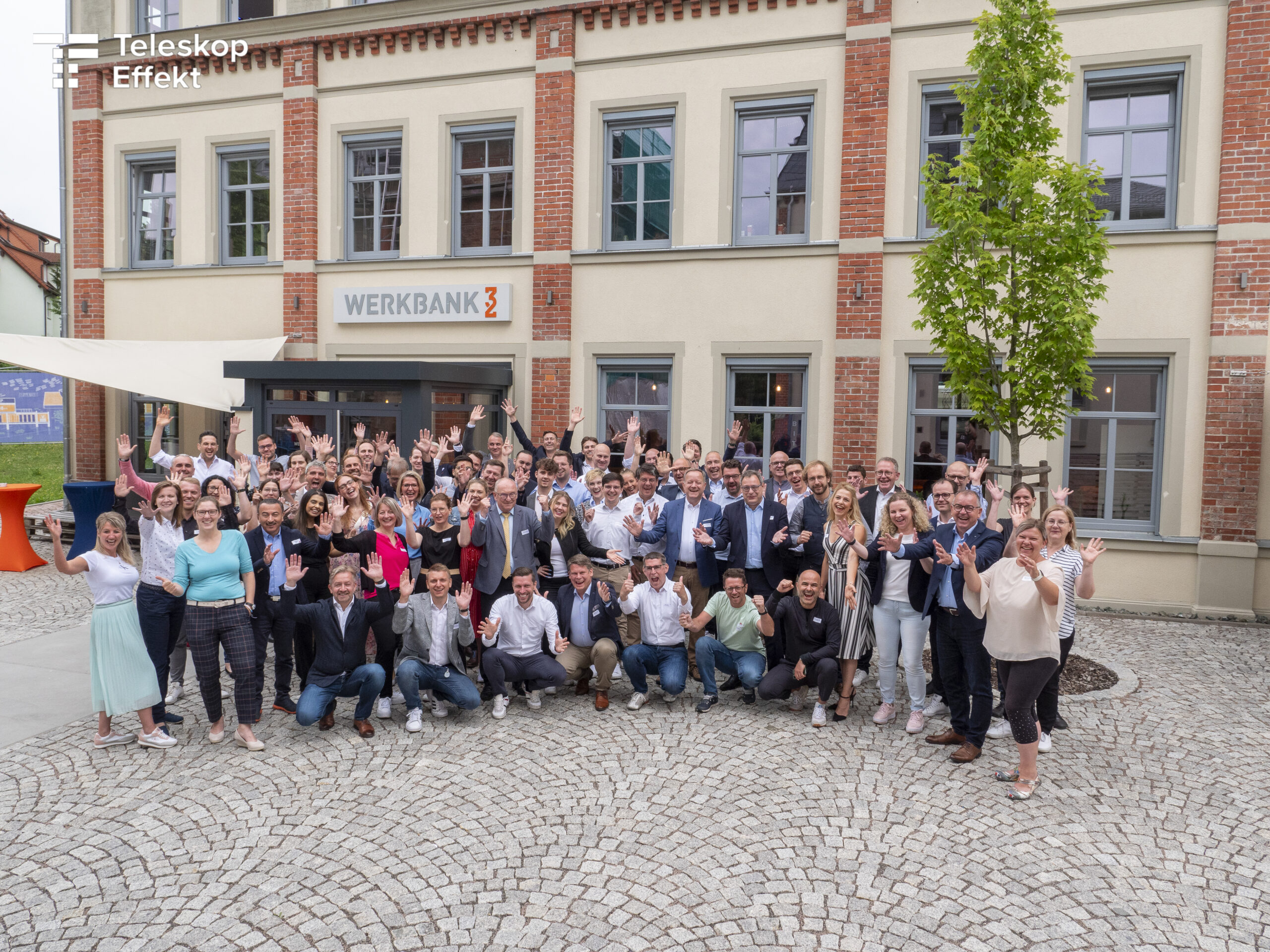
That’s why it’s worth involving users from the very beginning, rather than waiting until the project is complete to consider their needs. At the Fabrik, events were organized while the building was still a shell. The idea behind this was not to show what the building is today, but what it will one day become. This fosters a sense of connection long before a project is completed.
This way of thinking can be applied to virtually any innovation project: Those who build relationships early on develop solutions that will actually be used later on.
Innovations don't happen because every step is already mapped out from the start. They happen because people have a clear vision of what they want to create and are willing to turn that idea into reality, step by step.
Planning is essential. At the same time, however, experience shows that no complex project proceeds exactly according to plan. Successful project development, therefore, does not mean rigidly sticking to the original solution. It means consistently keeping the desired added value in sight and continually adjusting the path to achieve it.
Perhaps that is precisely the most important insight: Those who prioritize people and their future use from the outset do not simply develop buildings or products. They create places, solutions, and projects that remain relevant over the long term.
As part of our podcast "MutOffensive," we're talking with various partners in our ecosystem in the current season about how collaboration, innovation, and transformation work in practice. A new episode is released every week.
You can listen to the full episode of the podcast on this topic for free right here!